
Library
Warehouse Workwear Essentials for Safer Teams
Aug
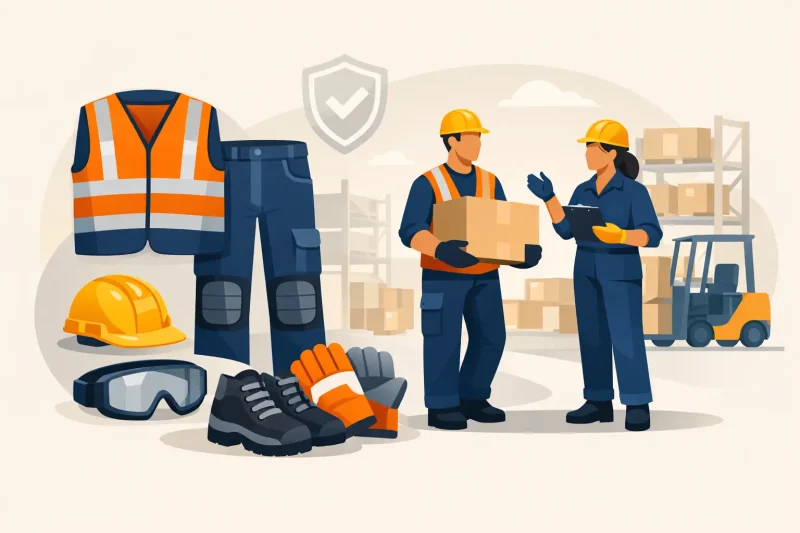
A warehouse floor puts clothing through far more than an ordinary working day. Staff may move from a warm picking area to a loading bay, work around pallet lorries and racking, lift stock, bend repeatedly and speak with drivers or visitors. The right warehouse workwear essentials need to support safe movement, clear identification and a professional appearance throughout every shift.
For operations and procurement teams, the decision is not simply about supplying a polo shirt and a pair of trousers. It is about creating a consistent kit that suits each role, lasts under regular wear and is straightforward to replenish as teams grow. A well-planned workwear programme also helps employees feel part of the business while giving customers, contractors and site visitors confidence in who they are dealing with.
Start with the reality of the warehouse
There is no single uniform that works for every warehouse. A clean, temperature-controlled fulfilment centre has different demands from a busy distribution depot, a chilled store or a trade counter with frequent customer contact. Before choosing garments, consider where people work, what they handle, how visible they must be and whether they move between indoor and outdoor areas.
Comfort matters because uncomfortable clothing is rarely worn as intended. If a jacket is too bulky, it may be left in a locker. If trousers restrict bending and reaching, they can become a daily frustration. If a garment is too light for an exposed loading bay, staff may add unbranded layers that dilute the uniform standard. The practical answer is usually a considered range rather than one item expected to do every job.
Think in terms of core garments for all warehouse colleagues, then role-specific additions. Pickers and packers may prioritise lightweight layers and flexibility. Goods-in teams may need tougher trousers, safety footwear and weather protection. Supervisors who meet visitors could need a more polished branded layer without losing the practicality required on the floor.
The core warehouse workwear essentials
A dependable warehouse uniform starts with durable, easy-care basics. Branded polo shirts or T-shirts are often the foundation because they are comfortable, recognisable and simple to issue in multiples. Polyester-cotton blends can be a sensible choice for demanding environments, balancing breathability with colour retention and resilience through repeated washing.
Sweatshirts, fleeces and softshell jackets give staff options as temperatures change. Layering is generally more useful than relying on one heavy garment, particularly where employees move between different zones. A fleece offers warmth indoors, while a softshell can provide a smarter outer layer with protection from wind and light rain. For regular outdoor duties, a waterproof jacket may be the more appropriate investment.
Work trousers deserve close attention. Warehouse teams need garments that allow movement while standing up to abrasion, kneeling and frequent washing. Features such as reinforced panels, practical pockets and a comfortable waistband can make a genuine difference over a long shift. Cargo-style trousers suit many operational roles, but avoid assuming extra pockets are always beneficial. In tasks involving conveyors or machinery, pocket design and a closer fit may be preferable to reduce snagging risks.
Safety footwear is another essential, but it must be matched to the actual workplace risk assessment. Toe protection, slip resistance, penetration-resistant midsoles and waterproofing may all be relevant depending on stock, floor surfaces and duties. Fit is critical. A well-specified boot that is uncomfortable will affect morale and can lead to poor wearing habits, so provide a range of sizes and suitable fitting guidance.
Visibility should match the risk
Hi-vis clothing is a familiar sight in warehouses, yet its use should be purposeful rather than automatic. Areas shared with forklift lorries, pallet lorries, delivery vehicles or visitors may require high-visibility garments to make colleagues easier to see. A branded hi-vis waistcoat is often a practical option for intermittent tasks, while a hi-vis polo, sweatshirt or jacket may be better where visibility is required for the full shift.
The right class and specification depend on the work environment and the organisation’s safety requirements. Garment colour, reflective tape placement and coverage all matter. It is also worth considering how a logo will be applied. Branding should remain clear and professional without compromising the visibility features that make the garment suitable for its intended use.
Hi-vis garments need regular inspection and replacement. Dirt, wear and repeated laundering can reduce their appearance and effectiveness over time. Building replacement stock into the uniform plan avoids the common problem of teams continuing to wear tired, faded garments simply because there is no clear process for reordering.
Make branding work on the warehouse floor
A logo on warehouse clothing does more than make a uniform look finished. It helps establish who belongs on site, supports a consistent customer-facing image and gives teams a stronger shared identity. This can be particularly valuable in multi-site operations, where different departments, temporary staff and visiting drivers may all be present.
The best branding method depends on the garment, logo detail and expected use. Embroidery creates a durable, premium finish on polos, fleeces, jackets and caps. Vinyl logo application can be effective for certain garments and larger, bolder designs. A supplier should assess the artwork before production so that small text, fine detail and colour choices remain legible at the intended size.
Placement is equally important. A left-chest logo is a familiar choice for everyday uniform garments, while a larger back print can improve recognition across a busy warehouse or yard. Some businesses use colour-coded garments or subtle department identifiers to distinguish supervisors, first aiders, goods-in staff and visitor-facing teams. Keep the system simple enough for people to recognise at a glance.
Fit, inclusivity and staff uptake
Uniform policy can fail quietly when the garments do not fit the people expected to wear them. Ordering a narrow size run may appear efficient, but it creates unnecessary exchanges, delays and dissatisfaction. Offer a suitable size range, consider women’s fit options where appropriate and use samples or an on-site measuring service for larger roll-outs.
Staff consultation is not about allowing every individual to choose a different style. It is about identifying practical issues before placing a large order. A short trial with representatives from each role can reveal whether a fabric feels too warm, a jacket catches when lifting, or a trouser pocket is poorly positioned for the job. That feedback helps procurement teams spend once, rather than correcting avoidable mistakes later.
Presentation should not come at the expense of dignity or comfort. A uniform that fits well is more likely to be worn correctly, cared for properly and viewed as a benefit rather than another workplace requirement.
Plan for ordering, replenishment and consistency
The initial order is only part of the job. New starters, seasonal peaks, promotions and ordinary wear all create ongoing demand. Without a managed process, sites often end up with mismatched garments, outdated logos and staff buying their own alternatives.
A clear issue policy sets the standard from the outset. Define what each role receives, how many garments are issued, which items are mandatory and when replacements can be requested. It also helps to agree which products are held as standard, so future orders match the original specification in colour, fit and branding.
For organisations with several locations or departments, a dedicated ordering portal can reduce administration and prevent unauthorised variations. Approved staff can order from a controlled range, while managers retain visibility over spend and garment allocation. This is particularly useful where brand consistency matters across a growing workforce.
Select Branding Solutions supports this approach by bringing garment supply, logo application and repeat ordering together. For busy operations teams, that means fewer handovers between suppliers and a more reliable route from approved artwork to correctly branded workwear.
Balance cost against working life
The cheapest garment is not always the lowest-cost option. A low-priced polo that loses shape or fades quickly may need replacing sooner, create an inconsistent appearance and take more staff time to manage. Equally, the highest-specification item is not automatically right for every role. Spending should follow the level of wear, the safety requirement and the visibility of the employee to customers or visitors.
A practical approach is to invest in the garments used hardest and standardise where it makes sense. Provide several core tops so staff can maintain a clean, professional appearance across the week, then add outerwear and specialist items according to duties. Bulk ordering can offer better value, but only when the chosen range has been properly tested and is likely to remain suitable for future hires.
Good warehouse workwear should make the working day easier, not add another problem for managers or staff to solve. When clothing fits the environment, carries the brand well and can be reordered without confusion, it becomes part of a safer, more organised operation – and a visible sign that the business takes its people and standards seriously.