
Library
Beauty Salon Uniforms That Work as Hard as You Do
Aug
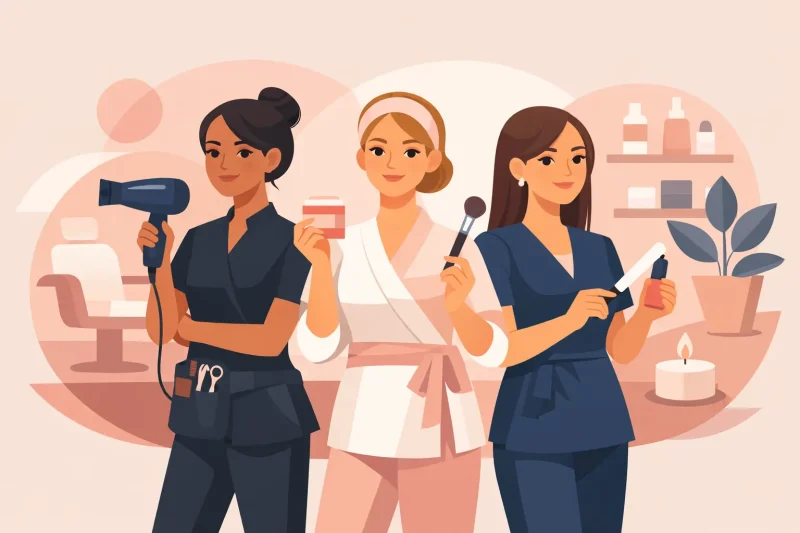
A client starts forming an opinion of your salon before they reach the treatment room. A tidy reception, a confident welcome and well-chosen beauty salon uniforms all signal the same thing: this is a professional business that pays attention to detail. The right uniform does more than look smart. It supports comfort through a busy shift, reinforces hygiene standards and gives every member of the team a recognisable role.
For salon owners and managers, the challenge is finding garments that look premium without becoming impractical after a few weeks of washing, product exposure and long working days. A uniform policy also needs to work commercially. It should be straightforward to issue to new starters, simple to reorder and consistent across locations or departments.
Why beauty salon uniforms matter to the client experience
Beauty services are personal. Whether a client is booking a facial, manicure, massage or advanced aesthetic treatment, they want reassurance that they are in capable hands. A coordinated uniform gives visual structure to that reassurance. It helps clients identify staff immediately and makes the whole salon feel organised rather than improvised.
Uniforms can also make a clear distinction between customer-facing staff and specialists. A receptionist may suit tailored businesswear or a branded blouse, while therapists often need tunics, scrub-style garments or practical dresses that allow movement. Managers may need a more formal layer for consultations and front-of-house duties. These choices create a polished hierarchy without making the team feel overly formal.
Consistency matters particularly for salons with several practitioners, multiple sites or a growing franchise model. If staff buy their own clothing, colours can vary, fabrics may fade at different rates and logo placement can become inconsistent. A defined uniform range gives the brand a dependable appearance at every client touchpoint.
What good salon uniforms need to withstand
A salon garment has a tougher job than ordinary officewear. It must remain presentable after regular laundering and cope with the realities of the working day: oils, lotions, tint, wax, nail products and occasional spills. This is why price alone is rarely the right measure of value.
Fabric choice should reflect the role. Stretch fabrics can help therapists move freely between treatments, while easy-care polyester blends often hold their shape and colour well over repeated washes. Breathable materials are useful in warm treatment rooms, but a lightweight fabric should still offer sufficient coverage and durability. A garment that feels excellent on day one but becomes transparent, misshapen or faded quickly will cost more in replacement orders and affect staff confidence.
Fit is equally important. A restrictive tunic can make routine treatments uncomfortable, while an oversized style can look untidy and create avoidable safety issues around equipment. Offering a proper size range, including different fits where available, is a practical way to make staff feel considered and ensure the uniform performs as intended.
Practical details make a difference
Small design decisions often have the greatest effect on daily use. Pockets can be useful for consultation cards, pens or small tools, but their placement should not interfere with treatment work. Side vents, adjustable fastenings and stretch panels can improve mobility. Darker shades may be better for roles with frequent product contact, while lighter colours can support a clinical, spa-like aesthetic where immaculate presentation is realistic to maintain.
It depends on your brand position, service menu and housekeeping routines. A luxury spa may prefer calm neutrals and refined tailoring. A high-volume nail and beauty bar may need hard-wearing, washable styles in darker colours. Neither approach is automatically better, provided the uniform reflects the service and is workable for the people wearing it.
Choosing colours that strengthen your salon brand
Colour is one of the quickest ways to make a salon feel recognisable. Black remains popular because it is smart, versatile and forgiving during practical work. Navy, charcoal and deep plum offer similar benefits with a softer or more distinctive look. White and pale tones can communicate cleanliness and clinical care, but they demand more frequent replacement if staining is likely.
The most effective approach is not always to dress everyone identically. A controlled colour system can support different roles while retaining a unified look. For example, therapists might wear charcoal tunics, nail technicians black polo shirts or tunics, and reception staff a branded blouse or tailored top in the same palette. The key is to limit variation, agree the approved garment styles and maintain the same logo treatment across the range.
Before committing to a colour, consider how it appears under your salon lighting and against your interior scheme. A shade that looks sophisticated on a screen can appear very different under bright LED lighting. It is worth viewing samples in the working environment, especially if the colour is central to your brand identity.
Branding beauty salon uniforms without compromising the look
A logo should make the uniform recognisable, not overwhelm it. For many salons, a discreet embroidered logo on the chest provides the most professional finish. Embroidery has texture, lasts well and works particularly effectively on tunics, polos, fleeces and outer layers. It is a strong choice where garments are washed regularly and need to retain a premium appearance.
Vinyl logo application can suit certain fabrics and designs, particularly when a smooth, sharp finish or more detailed artwork is required. The best application method depends on the garment material, logo design, expected wash frequency and required quantity. A logo that is too large, poorly positioned or reproduced in unsuitable colours can make even a good garment look less considered.
Keep the application consistent. Set clear standards for logo size, placement and thread or print colours, then retain approved artwork for future orders. This avoids the common problem of branding changing slightly every time a new member of staff joins or an order is placed by a different manager.
Make uniform ordering easy for a growing team
Uniform procurement often becomes difficult when it is handled informally. One person orders a tunic from one supplier, another buys shoes elsewhere and a third arranges branding separately. The result is inconsistent stock, duplicated administration and limited control over costs.
A managed approach gives the business a better foundation. Agree a core range of approved garments, record staff sizes and decide what each role receives on joining. You can then set sensible replacement expectations and hold stock of the most common sizes where needed. This is particularly useful for salons with seasonal recruitment, several branches or staff who work across locations.
For most businesses, a practical uniform issue should cover four areas:
- core garments for each role, including a suitable spare where the job requires frequent laundering;
- branded outerwear or layers for reception, travel between sites and cooler working areas;
- footwear guidance that supports safety, comfort and your desired presentation; and
- a clear process for new starter, replacement and leaver orders.
Centralising garment supply and personalisation reduces the risk of mismatched styles and makes budget planning easier. It also means staff do not need to use personal clothing as a substitute when an item is delayed or unavailable.
Do not overlook comfort, care and staff buy-in
A uniform is more likely to be worn well when staff have had some input before it is introduced. This does not mean every person needs a different style. It means trialling shortlisted options with representatives from the roles that will wear them, then listening to useful feedback on fit, fabric weight, movement and pocket placement.
Clear care guidance is also worthwhile. Staff need to know whether garments can be washed at home, what temperature is appropriate and how to preserve branded areas. If a salon uses products that stain or bleach fabric, build that into the replacement policy rather than treating it as an unexpected cost.
Select Branding Solutions can help businesses bring garment selection, logo application and repeat ordering into one managed process. That gives salon managers more control over presentation while reducing the day-to-day effort involved in keeping every team member correctly equipped.
The best uniform range is not simply the one that looks good in a brochure. It is the one your team can wear comfortably, your clients recognise instantly and your business can reorder with confidence as it grows.